
Merry Christmas from Ampt Electric!

Spreading Holiday Cheer and Brightening Your Home
The Christmas season is here, and at Ampt Electric, we’re reminded of the warmth, joy, and light that this time of year brings. Whether it’s the glow of festive lights, the crackling fireplace, or the comfort of gathering with loved ones, it’s all about creating moments to cherish.
As your trusted electrical professionals, we’re here to keep your holidays bright and worry-free. From ensuring your home is powered safely to providing quick solutions for unexpected electrical issues, you can count on us this season.
Thank You for a Wonderful Year
As 2024 approaches, we want to express our heartfelt gratitude to our loyal customers and community for trusting Ampt Electric. It’s been an honor to serve you, and we look forward to helping you power your homes and businesses in the new year.
Wishing you and your family a Merry Christmas and a Happy New Year!
From all of us at Ampt Electric, may your holiday season be filled with light, love, and joy.

Why a Generac Whole-Home Generator Is Important Before Winter in Atlanta

Considering an EV charger in Kennesaw, Acworth, Marietta, or North Cobb County? Learn why home charging makes sense and what homeowners should know before installation.
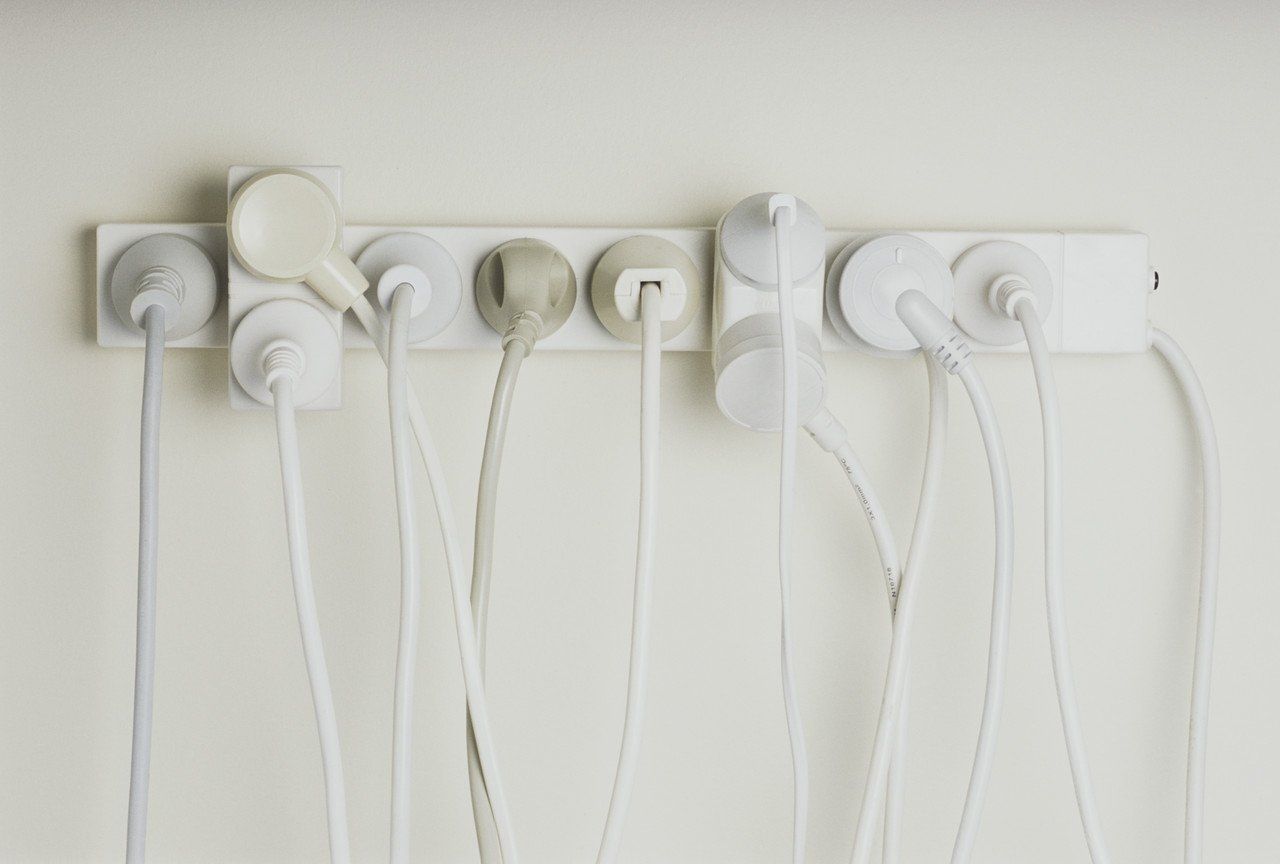
What does a whole-home surge protector do? Learn how it blocks voltage spikes to help protect appliances, electronics, and your electrical system.

At Ampt Electric, we believe that every home and business deserves reliable, efficient, and safe electrical solutions.

The holidays are over, and it’s time to spark fresh energy as we return to work.

Stay Cool and Save: Top Tips for Energy Efficiency This Summer**
Get Tesla charger installation from Amp’t Electric. Learn what to expect, home charging benefits, and how licensed electricians install EV chargers.

As winter's icy grip tightens, the need for effective home heating becomes paramount.

Find out how LED lights work, why they use less energy, and how they improve brightness, lifespan, and efficiency throughout your home.

In today's technologically advanced world, we often take electrical safety for granted. Our homes and workplaces are filled with a plethora of electrical devices, and we use them without a second thought. However, behind the scenes, there are innovative devices and technologies that ensure our safety, one of which is the Ground Fault Circuit Interrupter, or GFCI. In this blog post, we'll take a journey back in time to explore the fascinat ing origins of GFCIs and understand how they have revolutionized electrical safety. The Electrical Revolution To truly appreciate the significance of GFCIs, it's essential to understand the context in which they were developed. The 20th century saw a rapid increase in the use of electrical appliances and devices in both residential and commercial settings. This electrical revolution brought numerous conveniences but also came with its fair share of hazards. One of the significant hazards associated with electricity is the risk of electrical shock. When electrical appliances or wiring malfunctioned, they could cause electric shocks, which, in some cases, proved to be fatal. In the early 20th century, electrical safety became a growing concern, leading to the development of devices that could protect individuals from such risks. The Birth of Ground Fault Circuit Interrupters The concept of Ground Fault Circuit Interrupters was born out of the need to mitigate electrical hazards effectively. In 1961, Charles Dalziel, an electrical engineer at the University of California, Berkeley, developed the first prototype of what would later become the GFCI. Dalziel's motivation was to create a device that could detect even the smallest irregularities in electrical currents, known as ground faults, and instantly interrupt the circuit to prevent electric shocks. The pioneering work of Charles Dalziel led to the invention of the Residual Current Device (RCD), which is the precursor to the modern GFCI. The RCD was initially used in industrial and commercial settings, where electrical safety was of utmost importance. These early devices saved countless lives by quickly detecting ground faults and disconnecting the power supply before an electric shock could occur. The Transition to Residential Use While the RCD proved its worth in industrial settings, it took some time before GFCIs found their way into residential buildings. It wasn't until the 1970s that GFCIs started being installed in homes. The U.S. National Electrical Code (NEC) began requiring GFCI protection in specific areas where water and electricity could pose a high risk, such as bathrooms, kitchens, and outdoor outlets. The widespread adoption of GFCIs in homes marked a significant milestone in electrical safety. These devices were now helping prevent electrical accidents, protecting people from potentially lethal shocks, and reducing the risk of electrical fires caused by ground faults. The Modern GFCI Over the years, GFCI technology has continued to evolve. Today's GFCIs are more advanced, compact, and readily available. They are designed to meet the specific safety needs of various applications, including outlets, circuit breakers, and portable devices. The core principle remains the same: the device continuously monitors the electrical current, and if it detects even a minor imbalance, it interrupts the circuit within a fraction of a second. Conclusion The story of the GFCI is a testament to human innovation and the pursuit of safety in the face of technological advancements. From its humble beginnings as a safety device in industrial settings to becoming a household essential, the GFCI has played a crucial role in reducing electrical hazards and saving lives. As we continue to rely on electrical power in our daily lives, it's essential to remember the origins of safety devices like the GFCI. They serve as a reminder that progress and safety go hand in hand, and as technology advances, so too must our commitment to safeguarding lives from electrical hazards. The next time you plug in a device or use an electrical outlet, take a moment to appreciate the hidden hero—the GFCI—working tirelessly to protect you and your loved ones.
